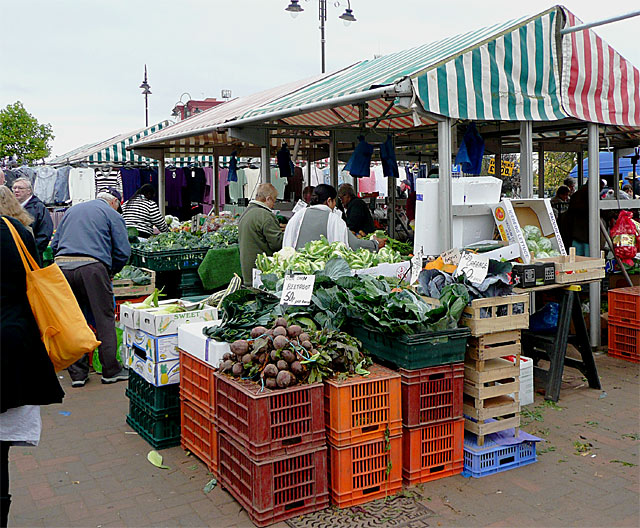
Farmers markets in Canada do not operate on a single schedule. The country spans five climate zones, and a market in Victoria may carry fresh tomatoes at the same time a market in Winnipeg is winding down for the season entirely. Understanding what grows where — and when — makes shopping at a farmers market more practical and less disappointing.
This guide focuses on the general rhythms of produce availability across Canadian markets. Local conditions, late frosts, drought years, and individual farm decisions will always alter the details, but the broad seasonal patterns described here apply consistently across temperate growing regions from Ontario westward through the Prairies and into British Columbia's interior.
Spring: The Cautious Opening
Spring market season in most of Canada starts later than shoppers expect. In Ontario and Quebec, outdoor markets typically open their gates between late April and mid-May, but the first weeks often carry limited produce because the ground has only recently thawed. What is available tends to be greenhouse-grown or cold-stored from the previous autumn.
The first genuinely field-grown crops of spring are cool-weather vegetables. These tolerate light frost and can be planted as soon as soil temperatures rise above 4°C. Farmers with cold frames or low tunnels often push their season two to three weeks ahead of those working bare ground.
- Asparagus — the earliest substantial field crop in most provinces; typically late May in Ontario, earlier in BC's Okanagan Valley
- Radishes and salad turnips — fast-maturing and among the first root crops
- Spring greens — spinach, arugula, mizuna, and various lettuces
- Green onions and chives
- Rhubarb — technically a vegetable but used as a fruit; widespread in Prairie markets by mid-May
- Overwintered root vegetables — parsnips and carrots that were left in the ground through winter, which develop a sweeter flavour from the cold
Eggs, honey, preserved goods from the previous season, and baked items using stored grains fill the stalls during this transitional period. Markets that operate indoors or within agricultural halls may offer these consistently throughout the year regardless of the growing calendar.
Summer: Peak Availability
July and August represent the full market season across most of Canada. Stalls carry the broadest variety of fresh produce, and vendors are typically operating at their highest volume. Competition between neighbouring farms at large urban markets keeps prices relatively moderate for common crops like zucchini, green beans, and cherry tomatoes.
Early Summer
- Strawberries
- Peas and snap peas
- Early potatoes
- Garlic scapes
- Kohlrabi
- Swiss chard
Midsummer
- Blueberries, raspberries
- Field tomatoes
- Summer squash
- Cucumbers
- New potatoes
- Basil and herbs
Late Summer
- Peaches, plums (BC)
- Sweet corn
- Beans (dry and green)
- Peppers and eggplant
- Melons
- Sunflowers
Artisan Summer
- Soft cheeses
- Cut flowers
- Herb bundles
- Hot sauces (new batches)
- Honey (summer harvest)
- Jams and compotes
British Columbia's Okanagan region produces a significant portion of Canada's stone fruit — cherries, apricots, peaches, and nectarines — that appears at BC farmers markets from July onward and reaches other provinces through farm-direct mail and regional distributors. Shoppers at markets in the Lower Mainland often find Okanagan fruit a week or two after it peaks at interior markets.
Fall: Storage and Preservation
September and October bring the heaviest produce to most Canadian markets. Root vegetables begin appearing in quantity, and many growers bring the last of their warm-season crops alongside the first of their cold-hardy autumn varieties. For preservers and canners, fall market visits offer the most practical sourcing options: bulk crates of tomatoes, peppers, and cucumbers are frequently available at reduced prices for processing.
Sourcing for Preservation
When purchasing produce in bulk for canning or fermenting, ask the vendor whether the crop has been sprayed with a post-harvest fungicide. Some operations apply preventive treatments to extend shelf life for wholesale. This does not affect eating quality but may be relevant for fermentation.
Fall market highlights include:
- Winter squash and pumpkins — acorn, butternut, Hubbard, delicata, and many heirloom varieties
- Potatoes — cured main-crop varieties in large quantities; purple, yellow, and fingerling types common at specialty farms
- Beets, carrots, turnips, and parsnips — storage roots in bulk bags
- Leeks and celery root
- Late apples and pears
- Dried beans and grains — heritage varieties including Jacob's Cattle, Calypso, and various heirloom dry corns
- Cured garlic — fall is when growers bring full harvested bulbs with papery skins, suitable for long storage
Winter: Reduced but Reliable
In most Prairie cities and in central and eastern Canada, outdoor markets close by late October or early November. Some transition to indoor venues and operate on a reduced schedule — typically once or twice monthly — through the winter.
What remains available at winter markets comes from cold storage, greenhouse production, or preserved and processed goods. The produce selection narrows considerably, but what vendors carry has often been grown and handled with particular care specifically for off-season sale.
- Root vegetables from cold storage (carrots, beets, potatoes, turnips)
- Winter squash that was cured in fall and holds well for months
- Greenhouse greens — spinach, microgreens, lettuce mix, and herbs
- Fermented and pickled goods: kimchi, sauerkraut, pickled beets, preserved mushrooms
- Dried goods: beans, grains, flours from heritage wheat varieties
- Eggs, dairy products (at markets where licensed vendors operate), and honey
- Baked goods using stored and dried ingredients
British Columbia and coastal areas of the Pacific Northwest see year-round outdoor markets in some municipalities, where mild temperatures permit winter growing of brassicas, root vegetables, and greens without greenhouse cover.
Regional Differences Worth Noting
The timing patterns described above reflect conditions in Ontario, Quebec, and the Prairie provinces most accurately. Specific regional differences include:
| Region | Notable Difference |
|---|---|
| BC Interior (Okanagan) | Stone fruit season from late June; extended fall due to warm September temperatures |
| BC Lower Mainland | Year-round outdoor markets; winter brassicas and greens without greenhouse |
| Ontario (Niagara) | Tender fruit and wine grapes from late July; peaches through early September |
| Quebec | Strong heritage apple varieties; extended season for cider apples into October |
| Prairie provinces | Short but intense summer season; very late frosts in May require careful timing from growers |
| Atlantic Canada | Cooler summers; stronger tradition of root vegetables; fiddleheads in May |
Fiddleheads — the curled fronds of the ostrich fern — are a brief Atlantic and eastern Canadian spring crop that appears at markets for roughly three to four weeks in May. They are not cultivated commercially and are foraged, which limits supply. Vendors selling fiddleheads at maritime farmers markets source them from local woodlands rather than farms.
Practical Timing Notes
Most seasonal crops peak and then decline in availability across two to four weeks. Strawberries in Ontario, for instance, are plentiful from late June into mid-July under typical conditions, but availability drops sharply once the season closes. Shoppers planning to preserve or process large quantities of a particular crop benefit from confirming timing with vendors a week before the expected peak.
Early arrival at market (within the first hour of opening) gives the best selection across all seasons. Some vendors pre-sell quantities to regular customers before market day, which is typically arranged through direct contact rather than any formal reservation system.
For more on how to interact with vendors and navigate a market efficiently, see Market Etiquette Tips. For guidance on forming ongoing relationships with specific growers, see Building Relationships with Local Growers.